


A Marketing Strategy is Simply the Big Plan
A marketing strategy is essentially the comprehensive plan where a company maps its path to communicate with its target audience. It outlines how to promote products or services. This plan includes clear objectives, actionable steps, and a method to measure success—all to achieve results like: stronger brand awareness, greater customer engagement, and increased profits.
Without a robust strategy, marketing becomes a series of random attempts with no long-term impact, especially in highly competitive markets.
Main Types of Marketing
Understanding the importance of car advertising, marketing typically divides into two categories: traditional and digital. Each type has its advantages and place in any integrated marketing plan.
Traditional Marketing
This includes established methods that still hold relevance, particularly depending on the target audience. Examples:
- Print ads in newspapers and magazines
- TV or radio commercials
- Billboards on roadsides
- Flyers or direct mail distribution
Although traditional marketing has declined slightly, it remains effective for specific groups like seniors or small local communities.
Digital Marketing
Digital marketing leverages the internet and technology to reach audiences with precision and speed. Key tools include:
- Social media marketing
- Search Engine Optimization (SEO)
- Email marketing
- Paid ads (PPC)
- Content marketing
The major advantage of digital marketing is its ability to precisely track engagement, monitor results in real-time, and adjust campaigns easily without high costs.
How to Build an Effective Marketing Strategy?
To create a successful marketing strategy, follow these sequential steps—each reinforcing the next:
-
Market Research
Start by understanding your audience: their needs and preferences. Use surveys, interviews, or online tools to gather insights. Also, monitor market shifts and track competitors. -
Set Objectives
Define measurable goals. For example: “Increase website traffic by 20%” or “Boost Instagram engagement by 30%.” Use the SMART framework (Specific, Measurable, Achievable, Relevant, Time-bound). Track KPIs (Key Performance Indicators) to gauge progress. -
Identify Your Target Audience
Who is your ideal customer? Age? Interests? Location? The more precise your targeting, the more resonant your messaging. Example: Target a 35-year-old urban resident interested in eco-friendly products. -
Analyze Market & Competitors
Identify market opportunities and competitors you aim to outperform. Use a SWOT analysis (Strengths, Weaknesses, Opportunities, Threats) to evaluate your position. -
Define Your Unique Selling Proposition (USP)
Clarify what sets you apart. Is it price? Quality? Speed? After-sales service? This USP forms the core of your marketing message and convinces customers to choose you. -
Allocate Budget
Distribute funds wisely across channels. Balance short-term and long-term campaigns. Track ROI (Return on Investment) to identify high-performing initiatives. -
Develop Content
Create compelling content that attracts and influences. Maintain a consistent style and clear messaging across all platforms—from social posts to ads. Adapt content types (videos, articles, images, stories) to each channel. -
Execute Campaigns
Launch your marketing campaign when ready. Use project management tools to track tasks and deadlines. Team alignment is critical to ensure unified efforts toward shared goals. -
Monitor Results
Track metrics like conversion rates (e.g., daily car ad views), customer acquisition cost, and ROI. Use analytics tools to refine your strategy in real-time. Periodically review campaigns to identify optimization opportunities.
Where Does Car Advertising Fit In?
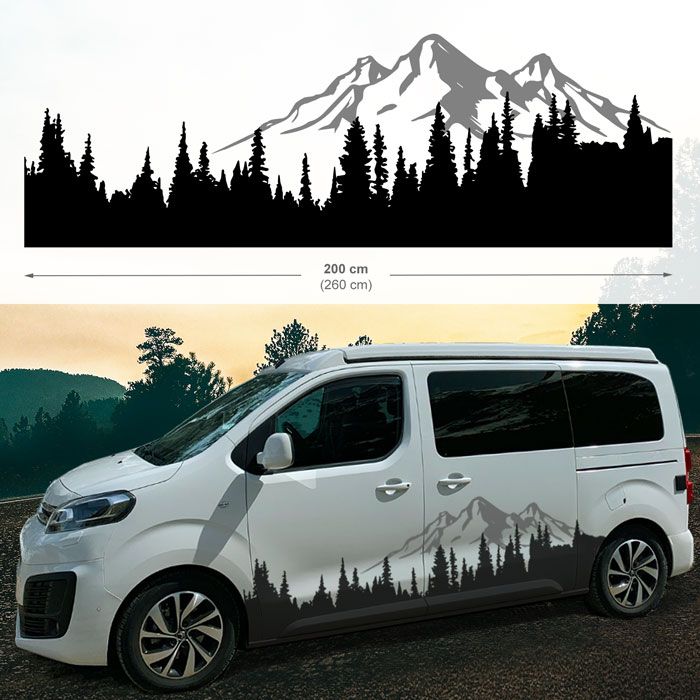
Integration means every marketing tool works in synergy—not in isolation. Here, car advertising becomes a vital part of the strategy. The car transforms into a mobile billboard, delivering your message on streets and complementing your social media or website efforts.
Imagine a customer sees your car ad, then later encounters your brand on Instagram or Google. This connection builds trust and nudges them closer to purchase.
Car advertising isn’t a replacement for other channels but a supportive element that amplifies reach and boosts real-world engagement opportunities.
What is “Advertising Integration”? And Why is it Crucial?
In today’s world, placing ads randomly isn’t enough to dominate your audience’s attention. Advertising Integration (or Integrated Marketing Communications – IMC) is a strategic approach that unifies all marketing communication channels, making them function like a single machine with a consistent voice and message.
Simply put, integration ensures customers encounter the same core message—whether they see your car ad, a social media post, or a company email. No contradictions, no fragmentation: everything is interconnected, delivering a cohesive experience.
See also: Comparing ROI: Car Ads vs. Social Media Platforms
From Past to Present: Why Integration Evolved
Historically, each marketing channel operated independently. PR had its style, ads had their direction, digital marketing had its own world, and promotions ran separately.
Result? Customer confusion and a perception of brand inconsistency.
Over time, it became clear that true power lies in cohesion. Customers must trust a brand from the first impression to the point of interaction or purchase.
This is where IMC shines—ensuring every campaign and tool speaks the same language in the same tone, reinforcing trust and a strong brand image.
How Car Advertising Fits into “Integration”
Car advertising isn’t just visually appealing—it’s a core component of an integrated marketing system. Picture your car in traffic, carrying an ad with the same colors, logo, and message as your website, social media, or TV ads. This consistency embeds a unified brand image in customers’ minds.
Whether a customer first sees your ad on a car, then finds it on YouTube or Facebook, the experience becomes seamless and interconnected—this is integration in action.
Core Principles of Integrated Marketing Strategies
To professionally implement advertising integration, rely on five key principles:
-
Customer-Centricity
Market for people, not yourself. Understand the customer journey—from awareness to purchase to loyalty. Your ads must speak their language and address their needs. Tip: Know when mobile ads outperform static billboards. -
Consistency
Maintain uniform style, tone, and brand personality across all platforms. Your car ad must echo the same message as your social media, website, or emails. -
Synergy
Every channel amplifies the others. When a car ad sparks curiosity and drives people to search for you online—that’s synergy. Channels collaborate, not compete. -
Two-Way Communication
Don’t just talk to your audience—engage them. Enable interaction through questions, comments, and shares. Even car ads can include QR codes or contact numbers to foster a cohesive interactive experience. -
Strategic Alignment
Link marketing to overarching business goals. Every campaign should support clear commercial objectives—boosting sales, raising awareness, or building brand loyalty.
Conclusion: Every Customer Touchpoint Matters
The essence of advertising integration is delivering a unified customer experience—regardless of how they interact with you. Whether they see you on Snapchat, read a blog, or spot your car at a traffic light, they should perceive the same entity, message, and brand spirit.
Today, car advertising has become a strategic asset in this plan: it’s mobile, highly visible in daily life, and visually reinforces brand identity.
At Al-Amri Advertising Agency, we help you create car ads that don’t stand alone but integrate seamlessly with your other marketing channels. We ensure every element moves in unison—leaving a lasting impression and building long-term audience relationships. Learn more about mobile marketing strategies in Saudi Arabia.