


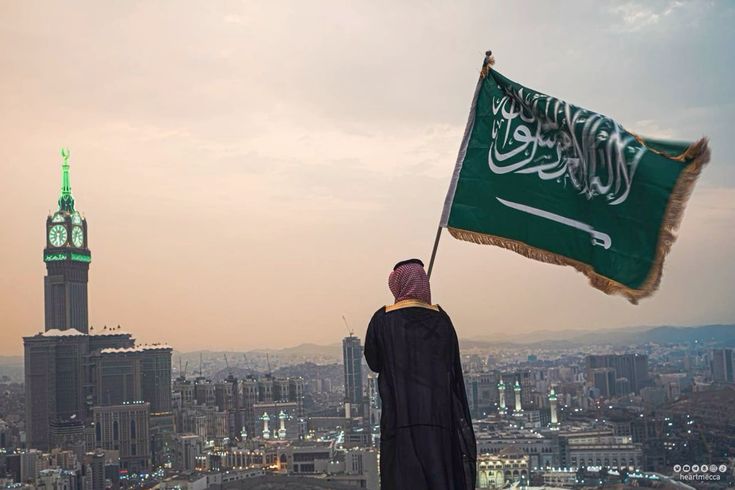


Official flags are among the most important national symbols, representing a country’s identity and its shared heritage. Displaying flags at official events or in public spaces carries deep symbolic meaning and demonstrates respect for these symbols. However, flag dimensions vary depending on their purpose—making it essential to understand the precise standards and guidelines. In this guide, we’ll explore the standard dimensions of official flags and how to use them appropriately in different settings.
Standard Flag Dimensions
Most official flags follow internationally agreed-upon proportions to ensure they look balanced and visually appealing—typically a 2:3 ratio, meaning the length is 1.5 times the width. This dimension provides optimal visibility and elegance, whether displayed in formal ceremonies or mounted at schools and government buildings. While this ratio is a common guideline, some countries may adopt specific dimensions based on their history or culture.
-
Small Flags — Used on tables or platforms during formal events.
-
Large Flags — Hoisted on flagpoles or towers and meant to be viewed from a distance.
Size Matters Based on the Occasion
Flag size varies widely depending on context:
-
Public Ceremonial Displays
Large flags adorn government buildings or public squares during national celebrations to be clearly visible from afar. -
Sporting Events
Oversized flags symbolize national pride and collective enthusiasm. -
Indoor Settings
Small flags work well on table tops or small stages, fitting the venue without overwhelming the space.
Diplomatic Contexts Require Balance & Equality
In diplomatic forums and international summits, flag dimensions must reflect equality and respect. Nations’ flags are often displayed flank to flank on stages or alongside podiums, all sized uniformly to represent equal stature. The dimensions here are carefully regulated to ensure clarity and consistency.
Flags in Public Spaces
Flags displayed in front of governmental buildings, schools, or streets must be sized according to architectural scale—to be prominent yet harmonious with the building’s design.
For indoor use—such as small offices or lobbies—smaller flag sizes are more appropriate and should align with spatial symmetry.
Protocol & Placement Guidelines
Proper use of dimensions is part of flag etiquette:
-
Height Matters — Flags are typically hoisted at a height that maximizes visibility.
-
Straight & Clear — Flags must hang straight, unrestricted by nearby structures, and should never touch the ground.
Some countries—like Saudi Arabia—have specific flag-raising protocols, including spacing and orientation, to ensure dignity and visibility.
Cultural and Historical Symbolism
Flags often carry cultural or historical symbols, and their dimensions may reflect these deeper meanings. For example, the Saudi Arabian flag features inscription and a sword—its proportions give these elements appropriate visual emphasis.
Additionally, evolving designs over time may carry legacy dimensions tied to significant periods in a nation’s history.
Care & Preservation
Flags represent national heritage, so their upkeep is crucial:
-
Cleaning — Avoid fading by washing gently, especially after prolonged sun exposure.
-
Proper Storage — Store in dry, shaded conditions to prevent moisture or UV damage.
Why Flag Dimensions Matter
Flag dimensions go beyond technical precision—they symbolize respect, tradition, and national pride. Proper sizing ensures the flag stands as a dignified symbol, whether during grand ceremonies or everyday use.
For a flag to truly represent its institution, balance in dimension is key—you communicate respect for both the flag’s symbolism and the place it represents.
If you’re seeking high-quality flags tailored to specific dimensions—whether for grand outdoor displays or indoor settings—Al-Omari Agency provides custom flag solutions that meet every requirement with clarity and craftsmanship. Contact us today to create a flag that you can proudly display.